Find the focus
Connect strategy with everyday decisions. Clarify which priorities deserve your time and resources.
Explore directionSOUND JUDGEMENT. CLEAR DIRECTION.
Make the decision clearer before committing to a solution.
Work with Graham Mylett to understand what is holding your organisation back, explore your options and turn a decision into purposeful action.
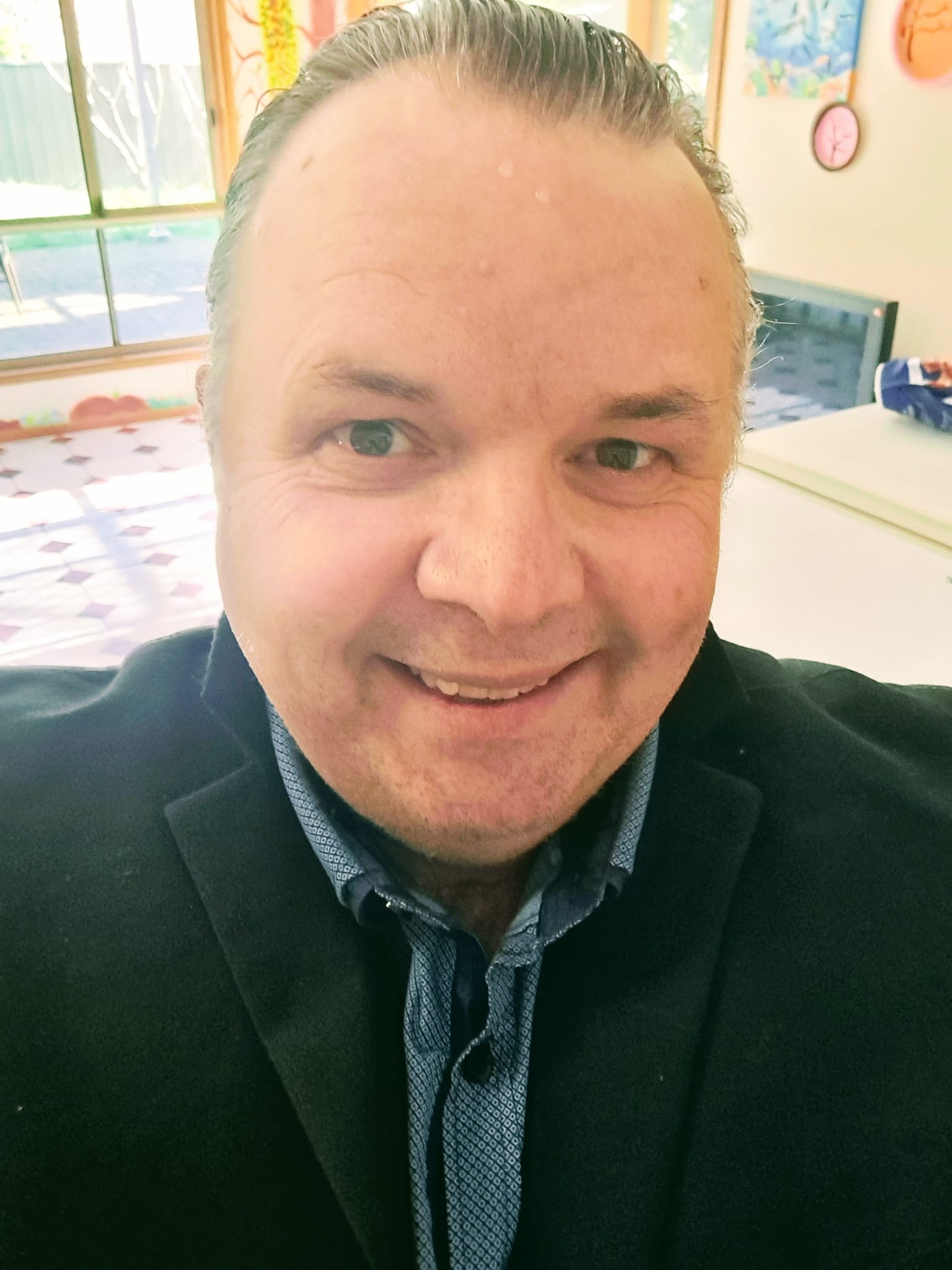 Graham MylettYour consulting partner

01 / THE WORK
Competing priorities. Repeated delays. A change that isn’t taking hold. We begin with what you are noticing and the decision you need to make.
Connect strategy with everyday decisions. Clarify which priorities deserve your time and resources.
Explore directionExamine bottlenecks, handoffs and rework before choosing a process change or adding capacity.
Explore operationsUnderstand differing perspectives, strengthen communication and make ownership clearer.
Explore leadershipExplore barriers to client or student engagement and practical improvements to the service experience.
Explore engagement02 / CONSULTING PRINCIPLES
Six principles guide the work, from our first conversation to the review of what changed.
See the thinking in practiceSeparate measured facts, stakeholder views, assumptions and unknowns.
Understand what needs to be decided before choosing an intervention.
Explain findings and trade-offs in language people can use.
Hear different perspectives, especially from people closest to the work.
Fit recommendations to your resources, authority and operating context.
Review outcomes, seek feedback and adjust the course when evidence changes.
03 / THE DIAGNOSTIC FRAMEWORK
A focused diagnostic answers one agreed business question. Explore the five steps to see how a challenge becomes a usable decision brief.
STEP 01 / CLARIFY
Define the business question, the desired outcome and what is at stake. Agree who makes the decision and the boundaries of the review.
A clear decision statement and an agreed definition of a useful outcome.
Start with your decision04 / THE ENGAGEMENT MODEL
The diagnostic can stand alone. Follow-on work is scoped together when it will help. You retain authority over your organisation’s decisions.
Agree the question, scope and evidence. Build a clear account of the issue.
Compare realistic choices, effort, risk and stakeholder implications.
Choose a course and document the reasons and trade-offs.
Where separately agreed, define owners, milestones and dependencies.
Assess progress against agreed measures. Continue, adapt or stop.
We agree the scope, duration, fee, information access, responsibilities and deliverables in writing.
05 / CLIENT OUTCOMES
Useful work makes a difference you can describe and review. We agree the outcomes and measures that matter to your situation.
These are intended outcomes. Results depend on the context, evidence and decisions put into practice.
An agreed decision, explicit trade-offs and a documented rationale.
Shared priorities, clearer ownership and differences brought into the open.
Fewer avoidable handoffs, repeated escalations or instances of rework.
Movement in agreed measures such as delivery time, quality or capacity.
Actions completed, milestones reviewed and lessons incorporated.
06 / EVIDENCE & APPROACH
Recommendations draw on organisational information, stakeholder conversations and how work is actually done. Conflicting evidence is a reason to investigate further.
EXPLORE AN EXAMPLE
Illustrative investigation routes, rather than past client cases.
THE QUESTION BEHIND THE REQUEST
Compare planned and actual hours. Trace delayed work and identify where checking, handoffs or changing requests add effort.
Trial a small workflow change against a baseline before committing to recruitment or a larger redesign.
Every recommendation should make its rationale, assumptions and constraints clear, including what new evidence would justify changing course.
07 / YOUR CONSULTING PARTNER
“A useful plan connects where you want to go with what you can do next.”
Graham Mylett is developing a consulting practice focused on helping leaders and organisations clarify business challenges, evaluate practical options and translate decisions into action.
His approach brings the bigger picture together with the realities of day-to-day work: people, resources, workload and operational pressures. His consulting focus includes strategy implementation, management practices, operational delivery and stakeholder alignment.
Through leadership development and consulting practice, Graham continues to strengthen his skills through reflection, feedback and professional learning.
The commitments shaping his leadership and consulting practice:
Dimitra supports Graham’s strategic thinking and professional development, bringing experience in management, leadership, healthcare and higher education. Graham remains your primary contact; any client-specific advisory input is agreed within the engagement.
08 / WAYS TO WORK TOGETHER
Begin with a focused question or explore more sustained guidance. A Focused Business Diagnostic provides a useful starting point; the right scope is agreed after understanding your situation.
CLARIFY A CHALLENGE
$750 AUD
3 consulting hours · 1–2 weeks
TURN CLARITY INTO A PLAN
$1,500 AUD
6 consulting hours · 2–4 weeks
SUPPORT AS YOU ACT
$3,000 AUD
12 consulting hours · 6–8 weeks
Timeframes are indicative. Meetings, preparation, analysis, documentation and agreed advisory input count towards the total hours. Scope, availability, payment terms and any applicable GST are confirmed in the written proposal. Additional work requires prior agreement.
A CLEARER STARTING POINT
This is a planning aid for a conversation with Graham. It does not diagnose the cause or confirm an engagement.
BEFORE WE BEGIN
No. Start with what you are observing, what others report and what remains uncertain. Testing more than one explanation is part of the work.
You receive a discussion brief on screen. You can copy, download or print it, then choose whether to share it with Graham. Completing the form does not send an enquiry or create a booking.
Yes. A focused diagnostic can end with findings, practical options and a clear decision point. Implementation and ongoing review are agreed separately when useful.
Yes. The packages are a starting structure. The engagement scope, preparation, deliverables, meeting arrangements and fees are agreed before paid work begins.
They stay in your browser and are not automatically transmitted. Draft storage is off by default. If you choose “Save my draft on this device”, answers are kept in that browser until you turn it off or clear them. Use “Clear answers” to remove the saved draft. Downloaded or copied briefs remain wherever you choose to keep them.